Sesame, Kale and the Calcium Question: What Raw Eaters in Britain Get Wrong
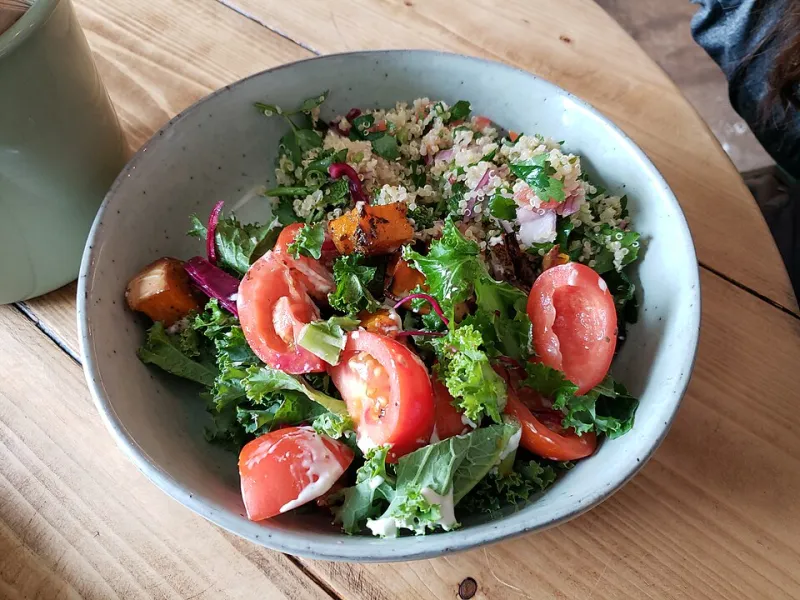
Photo: Andy Li, CC0, via Wikimedia Commons
Calcium has a reputation problem. In raw and plant-forward circles, it is either treated as a dairy-industry conspiracy or as the one nutrient that will quietly snap your bones if you stop drinking milk. Neither is especially useful. The truth, as with most food things, is a bit more boring and a lot more workable.
In the UK, the reference nutrient intake for calcium is 700mg a day for most adults. That is not a target you have to hit with military precision at every meal, but it is a useful anchor. The NHS and the British Dietetic Association are clear that well-planned plant-based diets can provide enough calcium. The catch is the phrase “well-planned”. A raw diet built on cucumber, apple and hope is not it.
The 700mg Question, Minus the Fuss
Seven hundred milligrams sounds like a lot until you realise it is scattered across a lot of ordinary foods. A tablespoon of tahini, a bowl of fortified porridge, a handful of almonds, some kale, a couple of dried figs, a glass of fortified plant milk — it adds up. The mistake is assuming that only dairy carries calcium, or that a big number on a seed packet automatically means your body gets all of it.
UK guidance also assumes you are getting enough vitamin D, because calcium and vitamin D are a team. From October to March, the NHS advises everyone in the UK to consider a daily supplement of 10 micrograms of vitamin D. That is not a raw-food problem or a vegan problem; it is a British winter problem. A raw diet does not exempt you from it.
Where Calcium Actually Hides in a British Kitchen
Sesame is the quiet heavyweight. Tahini, sesame butter and whole seeds all bring calcium, and tahini is easy to stir through dressings, sauces and even a raw chocolate mixture. Kale and watercress are low-oxalate greens that pull their weight. Almonds are decent, especially when you are using them as a snack rather than a garnish. Dried figs are sweet, chewy and genuinely useful. Chia seeds are another good shout, particularly in puddings and soaked breakfasts.
Fortified plant drinks are the practical workhorse. Most supermarket oat, soy, almond and pea drinks are fortified to around 120mg per 100ml, which means a 200ml glass gives you roughly a third of the daily reference intake. Check the carton, though. Organic versions are sometimes not fortified, and “almond drink” with two per cent almonds is not the same as a calcium source. Calcium-set tofu is another one to look for; the label will list calcium sulphate or calcium chloride. Silken tofu can go straight into a raw blended sauce, which makes it very handy.
Oxalates, Phytates and the Absorption Confusion
This is where people get tangled. Spinach is often held up as a calcium hero, but it is high in oxalates, which bind calcium and make it less available. That does not make spinach bad; it just means it is not your main calcium plan. Kale, watercress, broccoli and bok choy are lower-oxalate options. Phytates in nuts, seeds, grains and pulses can also reduce absorption a little. Soaking nuts and seeds, and choosing sprouted pulses if you like them, helps somewhat, but you do not need to turn your kitchen into a laboratory.
In plain English: eat a variety, do not rely on one “calcium food”, and stop treating every meal as a chemistry exam. Salt and caffeine can nudge calcium loss upwards, but a normal British diet is not going to be undone by a cup of tea. If you are worried about a specific medical condition, that is a conversation for your GP or a registered dietitian, not a blog post.
A Realistic Raw-ish Day That Pulls Its Weight
Breakfast: chia pudding made with fortified soy or oat milk, a spoonful of tahini stirred in, chopped dried figs and a few almonds. That is a solid calcium start without any cooking.
Lunch: massaged kale and watercress with grated carrot, chickpeas, lemon and a tahini-lemon dressing. Add a slice of raw flax or oat cracker if you want crunch. A glass of fortified plant milk or calcium-rich mineral water alongside it.
Snack: a small handful of almonds and two or three dried figs. Not glamorous, but effective.
Dinner: courgette noodles with a blended silken tofu and sesame sauce, topped with sliced spring onion and more sesame seeds. If you eat fish, sardines with their bones are a calcium powerhouse, but this is the plant-forward version.
Pudding: a small bowl of fortified yogurt-style plant alternative with berries, or a raw cacao and tahini truffle. The point is not to be perfect; it is to stop leaving calcium to chance.
The Fortified Aisle Is Not a Cop-Out
There is a strange snobbery about fortified foods in some raw circles, as if a carton of oat milk is somehow less virtuous than a handful of seeds. Ignore it. Fortification is one of the reasons UK plant-based diets can work without drama. Shake the carton before you pour, because the calcium can settle. Use fortified drinks in smoothies, on cereal, in sauces and in soups. If you are making your own nut milk, remember it will not have the same calcium profile unless you add something.
What I Would Stop Worrying About
You do not need to eat dairy to have strong bones. You do not need to eat spinach every day. You do not need to count every milligram. You do need some variety, enough energy, enough vitamin D in the winter, and a bit of common sense. If you are pregnant, menopausal, have a history of fractures or have been diagnosed with osteoporosis, get tailored advice. For everyone else, the calcium question is mostly about putting a few reliable foods on repeat.
Raw eating is not a magic bone tonic. It is just a way of eating that can be perfectly adequate if you build it properly. Sesame, kale, fortified drinks, tofu, figs and almonds will not make headlines, but they will do the job. And in a British winter, that is worth more than another scare story.